Planning guide · Updated June 2026
Remodeling Madison’s pre-war homes: what the walls are hiding
Knob-and-tube, plaster, settled floors, and balloon framing — a field guide to the surprises in isthmus and near-west side houses, with real repair costs.
The big four surprises, with prices
Knob-and-tube wiring: still live in a surprising share of pre-1940 Madison houses. Once we open a wall containing it, code and common sense say replace it — $3,500 to $8,000 for the areas a kitchen or bath touches, more for whole-house rewires.
Plaster: worth saving where sound, and we do. Where cabinets or tile come down, budget skim coats rather than demolition — plaster over lath insulates sound better than anything that will replace it. Settled floors: an inch and a half out of level over a room is routine; cabinets and tile need flat, so self-leveling or sistered joists show up on most isthmus estimates. Balloon framing: pre-1930 houses often lack fire blocking between floors, which we add whenever a wall is open, because that is not a corner anyone should cut.
What is worth preserving — and how we do it
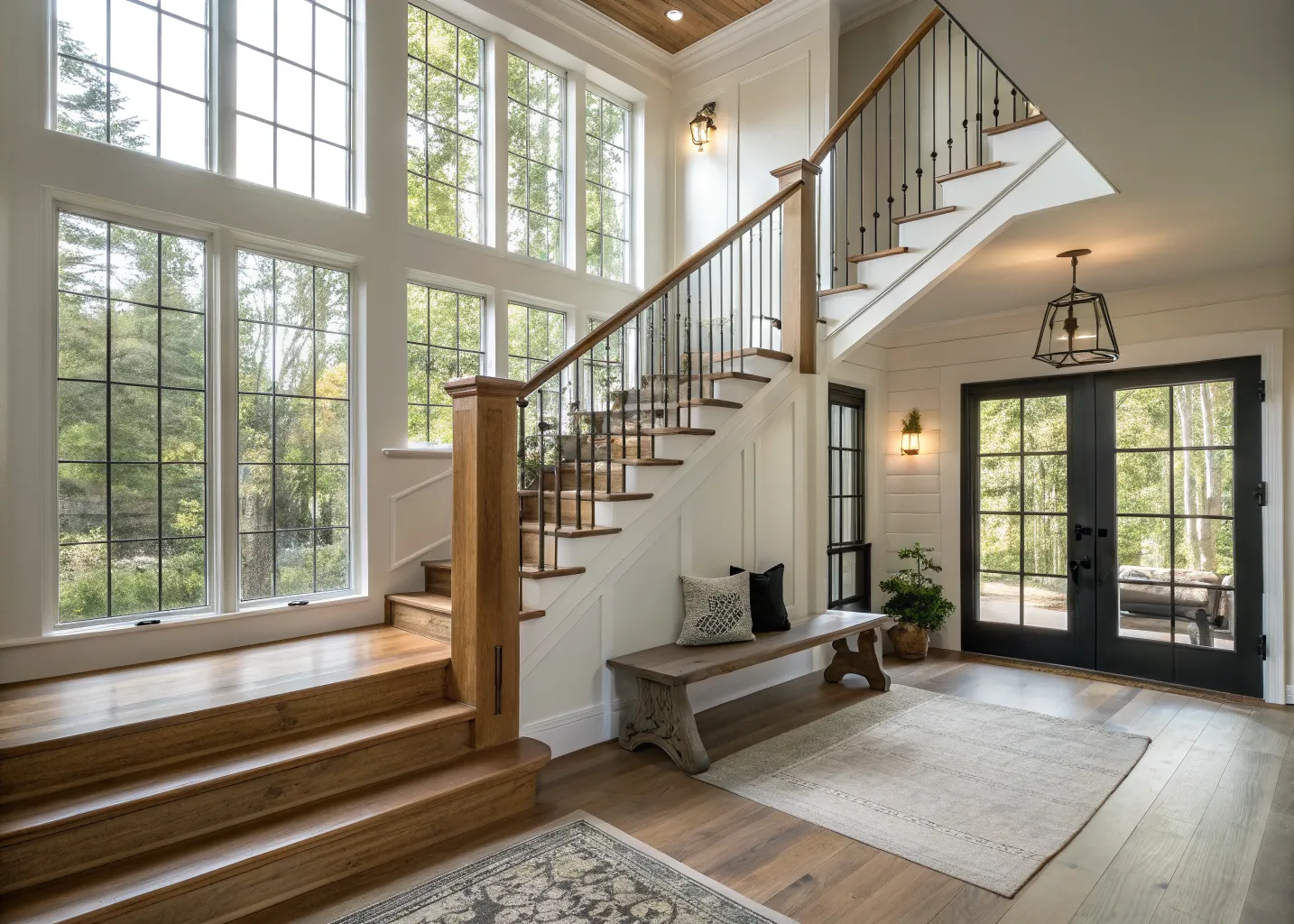
Original fir and oak trim, five-panel doors, stair parts, and hardware are the character of these houses, and replacements are either MDF or unobtainable. Our shop matches existing profiles knife-for-knife for every new opening, refits original doors to new frames, and rebuilds windows where they can be saved. This is the single biggest difference between a remodeled old house and a gutted one.
Budgeting for the unknown, honestly
We walk the house before pricing, open what we can, and price the visible risks explicitly. For the rest we recommend a 10–15% owner-held contingency on pre-war projects — held by you, not buried in our price, so if the walls are kind, you keep the money. On our last ten pre-war projects, clients spent an average of 6% of it.
This guide is maintained by our whole-home team. When you are ready for a number specific to your house, start a conversation — the first one is honest and free.